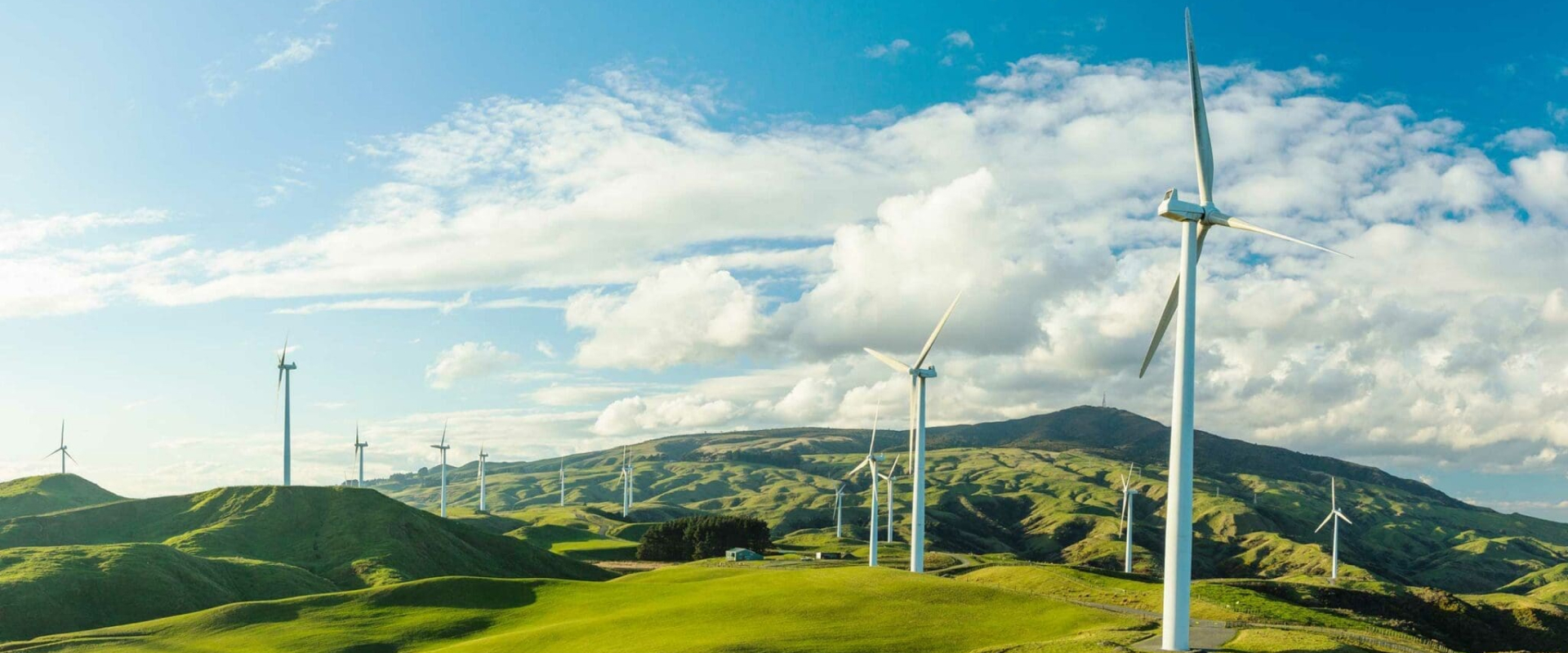
868 Green Buildings in Vietnam and the Transformation of the Construction Industry
Vietnam recorded 868 green buildings as of the end of Q2 2026. As the country works toward its Net Zero emissions target by 2050, the construction industry is undergoing a comprehensive transformation—from material selection and design to construction practices—with an increasing focus on energy efficiency and greenhouse gas emission reductions.
The growing pressure of climate change and increasingly stringent environmental standards is compelling the construction industry to rethink its development approach. While functionality and cost were previously the primary considerations, factors such as energy consumption, carbon emissions, and the environmental impacts of buildings are now receiving serious attention.
This shift is evident throughout the entire building lifecycle, from material selection and design development to the operational phase. Solutions such as renewable energy integration, low-carbon materials, natural daylighting and ventilation, and increased green space are becoming increasingly preferred.
The Transformation Begins with Building Materials
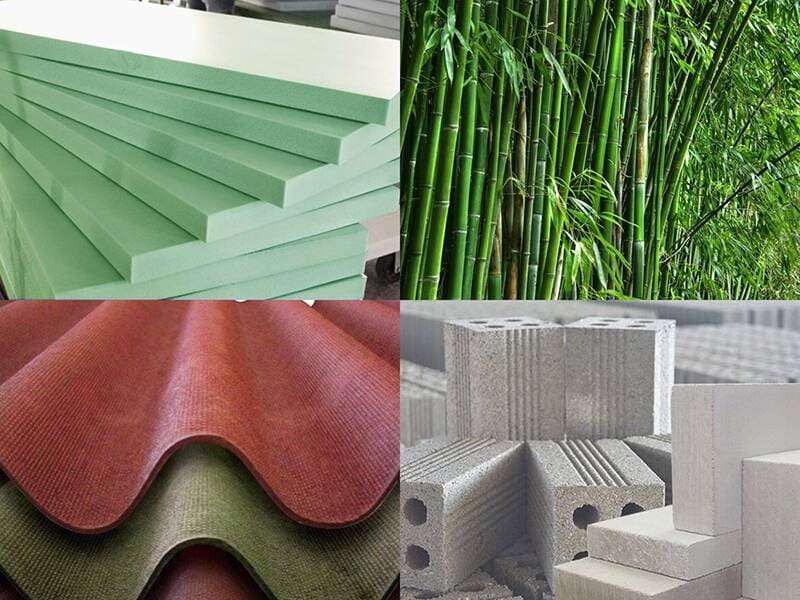
Building materials play a critical role in the transition toward a greener construction industry. Therefore, emissions management must begin long before buildings become operational, starting with the production and selection of construction materials. A number of domestic manufacturers have proactively invested in advanced technologies to develop building materials that meet international emission control standards.
Discussing this approach, Ms. Le Ngoc Van Anh, Business Development Manager at An Cuong Wood Working Joint Stock Company, stated that the company has invested in modern production lines, optimized operating costs, and incorporated artificial intelligence (AI) into management and operations to manufacture engineered wood products that meet the stringent emissions requirements of international markets.
According to industry experts, proactive investments in production technology also contribute to the development of a green building materials supply chain, in which material origin, emissions intensity, and resource efficiency are increasingly important criteria for selecting construction materials.
Bringing Natural Light, Ventilation, and Greenery Back into Buildings
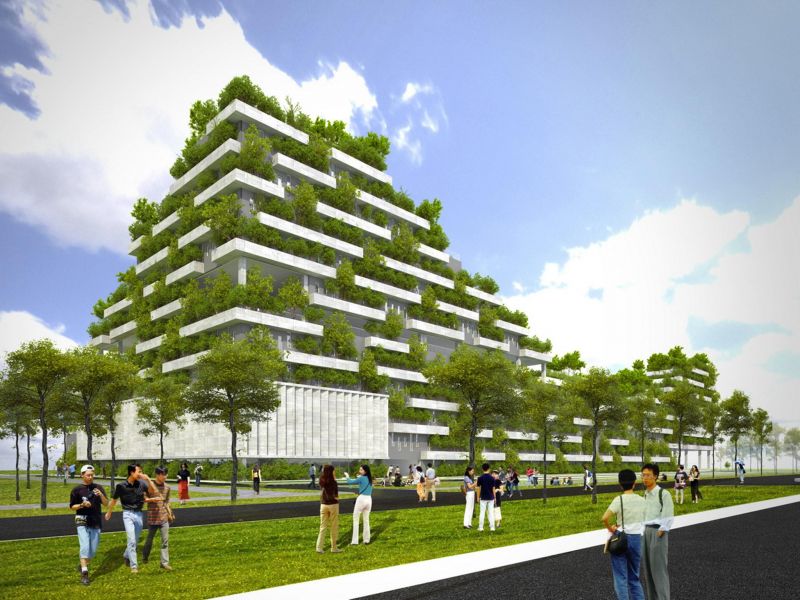
An increasing number of architects are incorporating natural ventilation, daylighting, and expanded green spaces into building designs, helping reduce electricity consumption for lighting and cooling while improving the quality of living environments.
Mr. Tran Trung Vinh, M.Arch., an architect and lecturer at Ho Chi Minh City University of Architecture, noted that integrating biophilic design principles with the optimization of natural environmental conditions can address two challenges simultaneously: reducing building energy consumption and improving occupants’ quality of life. According to him, thoughtfully combining nature-inspired design elements with natural daylight and ventilation can help reduce a building’s operational carbon footprint while creating healthier living environments.
This demonstrates that the concept of a “green building” is being understood more broadly. A sustainable building is not simply evaluated by the number of trees planted, but also by its energy performance, material selection, ability to utilize natural environmental conditions, and environmental impacts throughout its lifecycle.
A Comprehensive Ecosystem Is Needed, Not Isolated Efforts
The milestone of 868 green-certified buildings by the end of Q2 2026 demonstrates that Vietnam’s construction industry has gained significant momentum in its green transition. However, moving closer to the Net Zero target requires coordinated efforts across every stage of the building lifecycle, from material manufacturing and design to construction and building operations.
According to industry experts, one of the most urgent priorities is to establish a robust green building ecosystem rather than allowing individual businesses, design consultancies, or contractors to implement sustainability measures based on separate sets of criteria.
In addition to gradually developing a unified framework of green building criteria, the market also requires specific financial support mechanisms and administrative policies to encourage low-carbon projects. Stronger collaboration is also needed among material manufacturers, design consultants, project developers, and construction contractors. Only through close coordination among these stakeholders can green building criteria be consistently maintained from raw material sourcing to project completion and occupancy.
Therefore, on the journey toward Net Zero emissions by 2050, success for the construction industry should not be measured solely by the number of buildings carrying a “green label.” The real challenge is reducing emissions throughout the entire building lifecycle—from material production and design solutions to construction activities and operational energy consumption. When sustainability criteria are integrated from the outset rather than added later, urban development and emission reduction objectives can truly advance together.
With more than 36 years of experience in the construction, materials, and technology sectors, CIC provides comprehensive solutions covering both ends of the green building value chain:
- For project developers and contractors: Consulting services for obtaining LEED and LOTUS green building certifications, along with sustainable infrastructure assessment tools.
- For building material manufacturers: Consulting services for Life Cycle Assessment (LCA), Environmental Product Declarations (EPDs), greenhouse gas inventories, and product carbon footprint calculations for construction materials such as cement, paints, and other products.
- Data platforms and clean energy solutions: Renewable Energy Certificate (I-REC) services and carbon market consulting, helping buildings and businesses establish a consistent and comprehensive understanding of their emissions profiles.
This integrated approach ensures that sustainability criteria are consistently maintained throughout the value chain, rather than having developers, designers, and material manufacturers work independently under different standards.
As Vietnam advances toward its Net Zero emissions target by 2050, the construction industry’s success should not be measured solely by the number of buildings carrying a “green label.” The real challenge is reducing emissions across the entire building lifecycle—from material manufacturing and design solutions to construction and operational energy consumption. When green building criteria are integrated from the very beginning, supported by specialized consulting expertise, urban development and emission reduction goals can truly progress together.
CIC Construction Technology and Consultancy Company
Hotline: 0866 059 659 – 03322 68626
Email: info@cic.com.vn
Website: www.netzero2050.vn | www.cic.com.vn


Top Green Building Certifications for Industrial Park Infrastructure