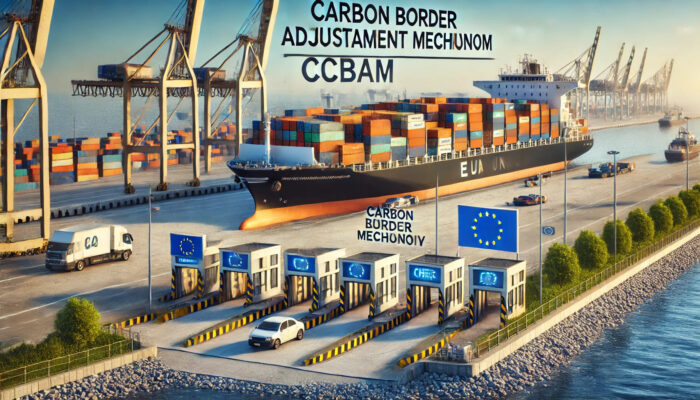
EU Releases 10 Technical CBAM Guidance Documents: What Should Vietnamese Businesses Prepare For?
The European Commission has recently released a complete set of 10 technical guidance documents on the Carbon Border Adjustment Mechanism (CBAM), marking an important transition toward its full implementation. Under the mechanism, goods imported into the EU must have their embedded emissions declared based on actual measured data and independently verified, replacing the estimated figures previously used during the transitional phase.
The guidance framework issued by the European Commission’s Directorate-General for Taxation and Customs Union (DG TAXUD) is structured into two levels. The foundational level clarifies the entire compliance cycle, the legal responsibilities of importers and production installations outside the EU, the roadmap for establishing on-site emissions monitoring systems, and the accounting methods for direct and indirect embedded emissions in products. The package comprises four general guidance documents and six sector-specific technical guidance documents. In particular, Guidance Document No. 4 provides detailed instructions on calculating the reduction in the number of CBAM certificates to be surrendered, corresponding to the remaining free allocation under the EU Emissions Trading System (EU ETS).
The sector-specific level establishes technical rules for six key sectors:
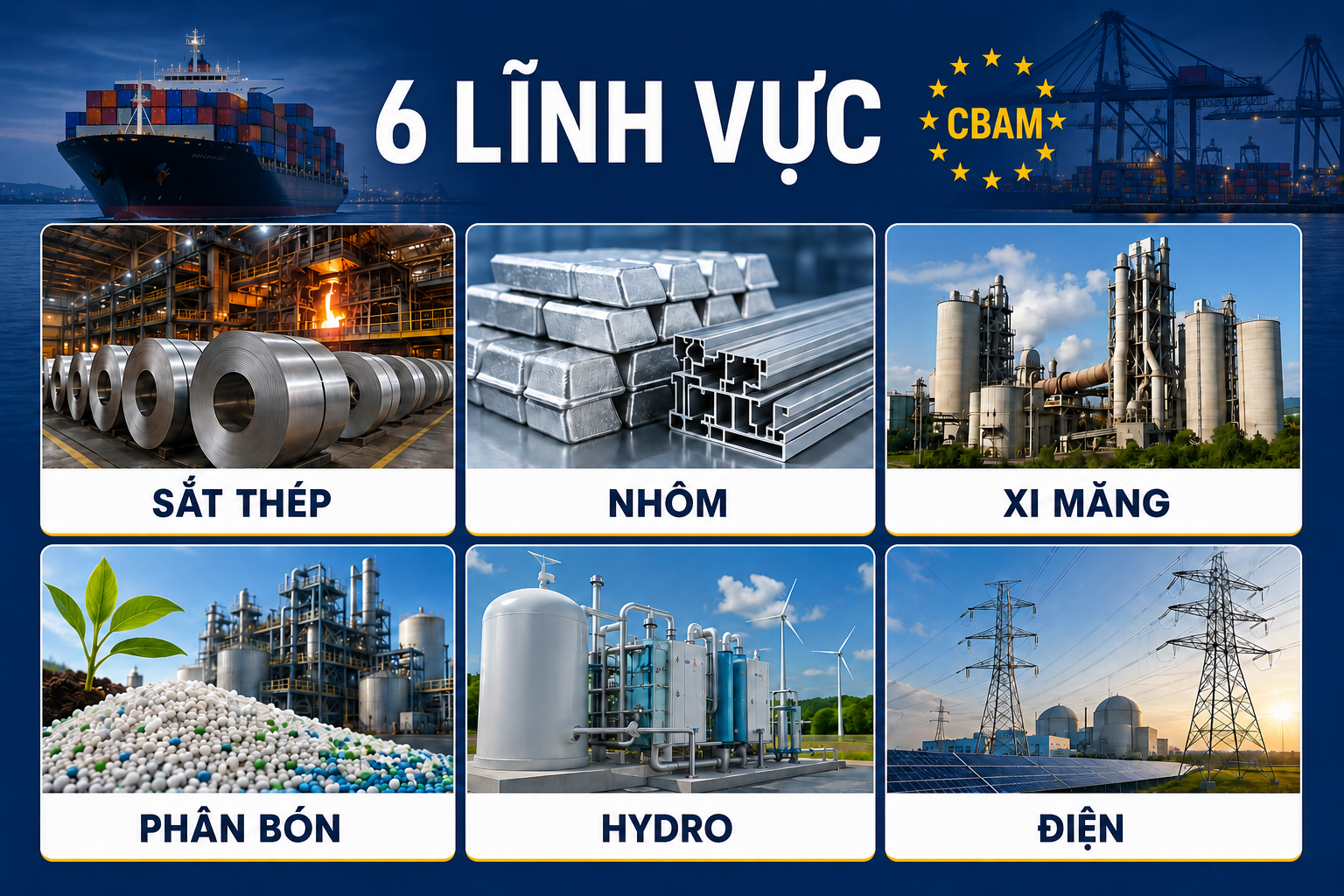
- Iron and Steel — Defining emissions boundaries for conventional blast furnaces, direct reduced iron (DRI) production, and electric arc furnaces (EAF).
- Aluminium — Specific calculation methodologies for primary aluminium, recycled aluminium, and downstream extrusion processes.
- Cement — Calculation boundaries and emission factors associated with the clinker production process.
- Fertilisers — Greenhouse gas emissions accounting across complex ammonia and nitric acid production chains.
- Hydrogen and Electricity — Accounting frameworks for electrolysis, steam methane reforming (SMR), and direct power purchase agreements (PPAs).
Three Key Considerations for Businesses: Actual Emissions Measurement, Independent Verification, and Rising Carbon Costs
The key implication is that these guidelines address regulatory gaps previously encountered by many exporters. Going forward, goods entering the EU will be subject to scrutiny in three areas:
- Emissions data must reflect actual emissions measured at each production facility, calculated in accordance with EU methodologies. Using generalized estimates or submitting insufficiently substantiated data may result in the application of default values and associated penalties.
- Annual verification by EU-accredited independent verifiers is mandatory. Reports lacking compliant verification statements may be rejected during the customs clearance process.
- Carbon certificate costs may increase significantly for production facilities that rely heavily on electricity from carbon-intensive power grids.
For Vietnam, iron and steel and aluminium—two major export sectors serving the EU market—face particularly significant pressure. As average domestic emissions intensities remain above EU benchmarks, businesses that have not proactively implemented decarbonization measures could face additional carbon costs ranging from hundreds to thousands of US dollars per tonne of goods, directly eroding their price competitiveness.
Digitalizing Emissions Data and Strengthening Compliance Capabilities
As technical requirements become increasingly detailed and measurable, transparent and audit-ready emissions data has become essential for maintaining access to the European market. Businesses should prioritize three immediate actions:
- Invest in emissions monitoring infrastructure — including smart meters, Continuous Emissions Monitoring Systems (CEMS), IoT sensors, and dedicated carbon accounting software platforms to maintain real-time data traceability.
- Review and optimize production processes — reduce energy consumption and develop a roadmap for transitioning to renewable energy through Power Purchase Agreements (PPAs).
- Standardize documentation in accordance with EU methodologies — ensuring that all reported emissions figures can withstand independent verification.
CIC – Sustainable Development Solutions Consulting Provider

As a sustainability consultancy with in-depth technical expertise, CIC supports businesses throughout the entire carbon project lifecycle:
- Greenhouse Gas Inventory (GHG Inventory) in accordance with international standards, establishing the foundation for carbon credit projects.
- Review and selection of appropriate methodologies aligned with Article 6 mechanisms, including assessments of project carbon credit generation potential.
- Project design, baseline establishment, and development of Monitoring, Reporting, and Verification (MRV) systems that meet international validation and verification requirements.
- Support for carbon credit registration, verification, and transfer under bilateral cooperation mechanisms.
The international carbon market is no longer a matter of the future—it is opening up today. Businesses that prepare early will gain a competitive advantage.
Experience the Net Zero 2050 App to manage emissions data, monitor your decarbonization journey, and progressively achieve your company’s Net Zero objectives.
Center for Sustainable Development Consultancy and Engineering Technology Solutions (CSS) – CIC Construction Technology and Consultancy Company
Hotline: 0866 059 659 – 03322 68626
Email: info@cic.com.vn
Website: www.netzero2050.vn | www.cic.com.vn