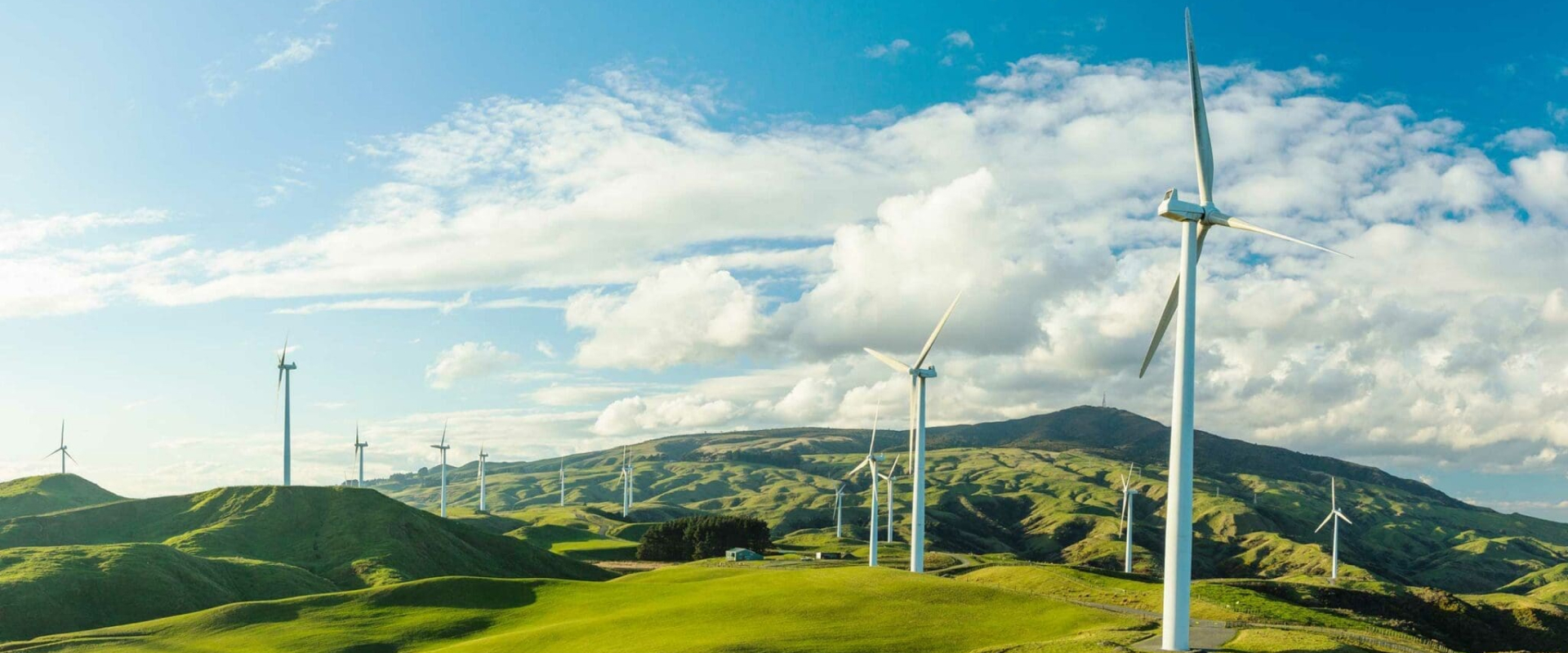
CCUS Applications: A Pathway to Lower Emissions for Vietnam’s Thermal Power, Cement and Steel Industries
CCUS applications are opening up new pathways to reduce emissions across major industries. For Vietnam’s thermal power, cement and steel sectors, opportunities lie in selecting suitable CO₂ sources, making use of existing plant conditions and identifying utilisation or storage options from the outset. Projects already implemented worldwide offer practical lessons for businesses taking their first steps towards adopting this technology.
The thermal power, cement and steel industries face growing pressure to reduce emissions while maintaining production and competitiveness. Alongside energy efficiency, clean electricity and production upgrades, carbon capture, utilisation and storage—CCUS—offers an additional way to address CO₂ emissions directly at industrial facilities.
At a CCUS workshop held in Hanoi on 27 October 2026, regulators, experts and businesses discussed the potential for deploying this technology in Vietnam. Key considerations included selecting suitable facilities and project scales, while ensuring safety throughout CO₂ capture, transport, utilisation and storage.
Around the world, CO₂ has already been captured from power plant flue gases, cement production lines and blast furnace gases. These developments demonstrate that CCUS is already being integrated into industrial operations and provide useful insights for Vietnamese businesses.
Thermal Power: An Additional Option for Capturing CO₂ from Flue Gas
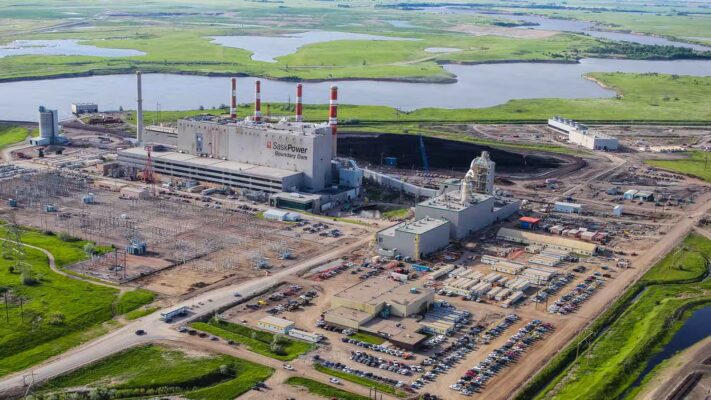
For thermal power plants, CCUS provides an opportunity to capture CO₂ before flue gas enters the atmosphere. Capture systems can be added to existing plants, with the captured CO₂ then processed for utilisation or storage.
One example is Unit 3 at the Boundary Dam Power Station in Canada. Its CCS system began operating in 2014. According to SaskPower, the facility captured more than 721,000 tonnes of CO₂ in 2025 alone. This operational data demonstrates that carbon capture can become part of a power plant’s regular operations.
For Vietnam, a key lesson is how to integrate new systems into existing production infrastructure. CO₂ capture requires additional energy, so plants must assess its impact on power generation efficiency, steam demand and operating costs. Equipment space, maintenance schedules and arrangements for transporting CO₂ off-site also need to be considered together.
A practical approach is therefore to screen generating units with favourable conditions for an initial assessment. Investment decisions should reflect each facility’s remaining operating life and energy transition plans.
Cement: Addressing Carbon Emissions from Clinker Production
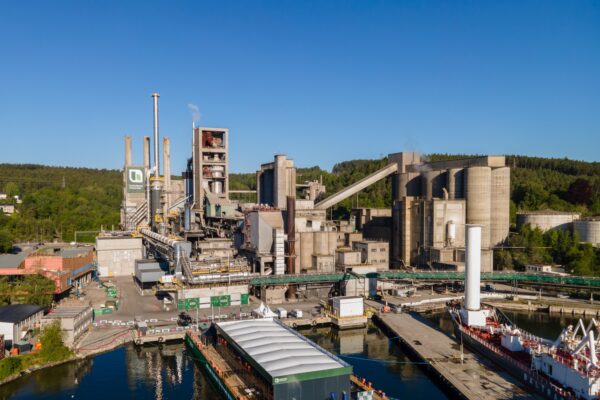
Cement production has a characteristic that makes emissions reduction particularly challenging: CO₂ is released both through fuel combustion and through the calcination of limestone to produce clinker. Even when plants improve efficiency or switch fuels, some emissions from raw materials still need to be addressed. Carbon capture technology can help close this gap.
In Norway, the Brevik cement plant has integrated CCS into its production operations. Inaugurated in June 2025, the system has a design capacity of approximately 400,000 tonnes of CO₂ per year, equivalent to around half of the plant’s emissions. In October 2025, Heidelberg Materials announced that it had begun delivering its CCS-enabled evoZero cement to customers in Europe.
This example suggests a potential approach for Vietnam’s cement industry: linking investment in emissions reduction with market demand for materials with a lower carbon footprint.
In practice, businesses can start with a single clinker production line, assessing its gas streams and the feasibility of integrating a capture system. Investment scale should be aligned with plans for CO₂ utilisation or storage, rather than focusing solely on equipment at the plant. The Brevik experience also shows that capture operations must be coordinated with storage tanks, shipping schedules, receiving facilities and downstream storage capacity.
Steel: Starting with a Suitable Gas Stream Within the Plant
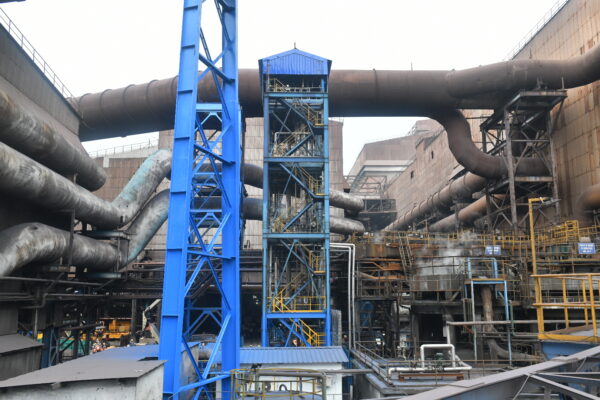
In the steel industry, CCUS can initially be applied to a specific process before being expanded. This approach allows businesses to test the technology using actual process gas and build operational experience.
Tata Steel adopted this approach at Jamshedpur, India. In 2021, the company commissioned a system that captures CO₂ from blast furnace gas at a rate of 5 tonnes per day, using the captured CO₂ on-site. The demonstration-scale project supports data collection and preparations for potential future expansion.
For Vietnamese steel producers, a useful lesson is to begin with an accessible gas stream and a clearly identified use for the captured CO₂. A small, closely monitored project can help establish energy consumption, maintenance requirements and production impacts before a larger investment is made.
However, each steel plant faces different conditions. Blast furnace operators need to assess gas sources and the energy balance across the integrated facility. Plants using scrap steel and electric furnaces must also focus on raw material quality and electricity supply. CCUS should therefore form part of a broader emissions reduction plan alongside energy efficiency, recycling and technological upgrades.
Vietnam: Opportunities Begin with the Plant and a Clear Destination for Captured CO₂
Across all three industries, capture equipment addresses only part of the challenge. For a project to operate over the long term, businesses need to know where the captured CO₂ will go, who will receive it and how much the entire chain will cost.
If CO₂ utilisation is selected, the project must be linked to actual market demand. If storage is selected, businesses need access to transport infrastructure and a storage site assessed as suitable. Shared infrastructure serving multiple facilities is another option worth considering. Northern Lights in Norway provides an example of CO₂ receiving, transport and storage services for industrial emitters.
One point requires clarification: capturing CO₂ for utilisation does not automatically mean that the carbon will be retained over the long term. The emissions reduction achieved also depends on the energy used for processing, the products manufactured and the potential for CO₂ to return to the atmosphere after use.
For Vietnamese businesses, a practical first step is to review emissions sources, identify priority processes and engage with technology partners. Using this information, plants can select an appropriate scale for trials before committing to a large project.
In Vietnam, CIC has announced its collaboration with Australia’s CO2 Tech and VICEM Hà Tiên in Net Zero Challenge 2025 to propose a CCUS pilot project and seek implementation funding. This initiative reflects growing interest in connecting manufacturers with technology partners to explore the solution.
Explore CCUS Applications with Net Zero 2050
Thermal power, cement and steel businesses considering CO₂ capture can contact Net Zero 2050 to discuss their needs and existing plant data, and connect with technology advisers suited to their operating conditions.
Net Zero 2050 — CIC Construction Technology and Consultancy Joint Stock Company
Hotline: 0866 059 659 – 033 226 8626
Email: info@cic.com.vn
Website: www.netzero2050.vn