


Global EPD Requirements by Country: A Practical Guide for Businesses
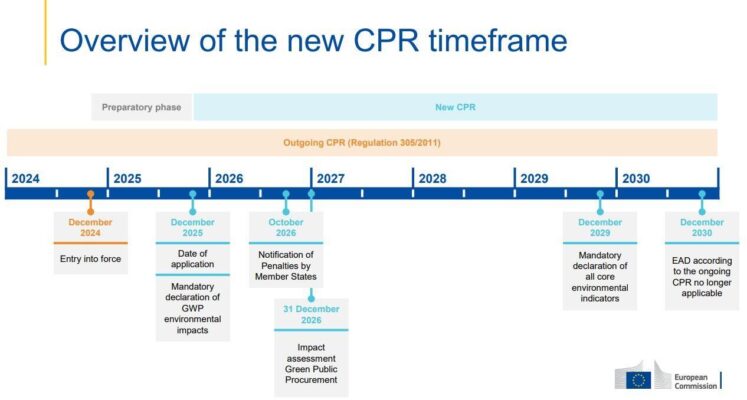
Environmental Product Declarations (EPD) are becoming increasingly important in the global construction materials market. No longer viewed as a voluntary disclosure tool, EPD are now being required by investors, designers, buyers, and regulators as a condition for project participation and market access. As the EU moves toward stricter market-entry requirements under the revised Construction Products Regulation (CPR) and the Ecodesign for Sustainable Products Regulation (ESPR), verified EPD and product life cycle data are expected to play a growing legal role from 2026 onward. However, EPD requirements still vary by country and by market, making compliance more complex for manufacturers and exporters.
1. Key Factors When Deciding to Develop an EPD
1.1 Choosing the Right EPD Program (EPD Program Operator)
An EPD programme is a system managed by a programme operator that governs how EPDs are developed, verified, and published. The choice of EPD programme determines the scope of recognition, technical requirements, and implementation costs. The EPD program operator also issues the detailed rules for developing an EPD, known as PCR (Product Category Rules), while managing the database and publicly disclosing published PCRs and EPDs.
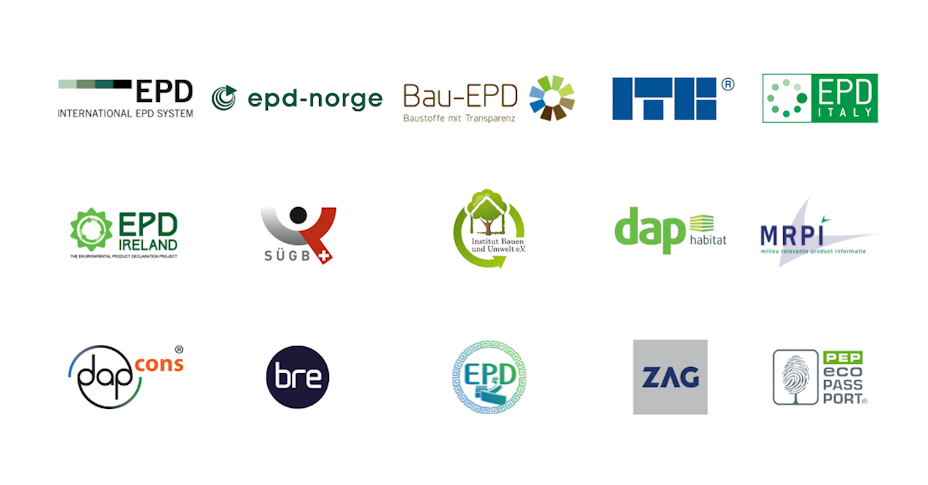
There are many EPD Programme Operators on the market; however, not every programme meets the requirements of every specific market. Therefore, companies should carefully select reputable and widely recognized EPD Programme Operators to ensure that the EPDs they publish are credible and accepted in international trade.
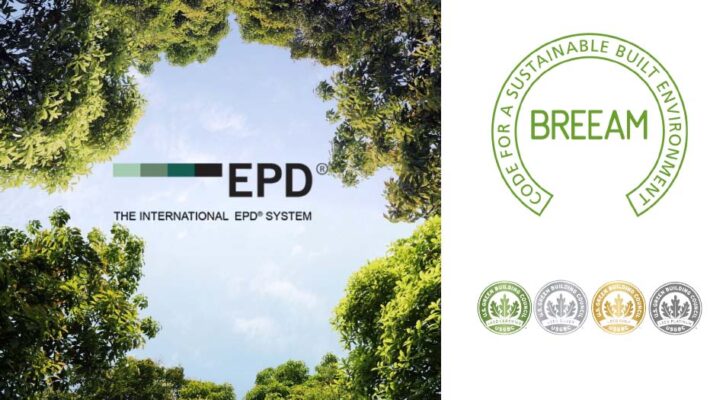
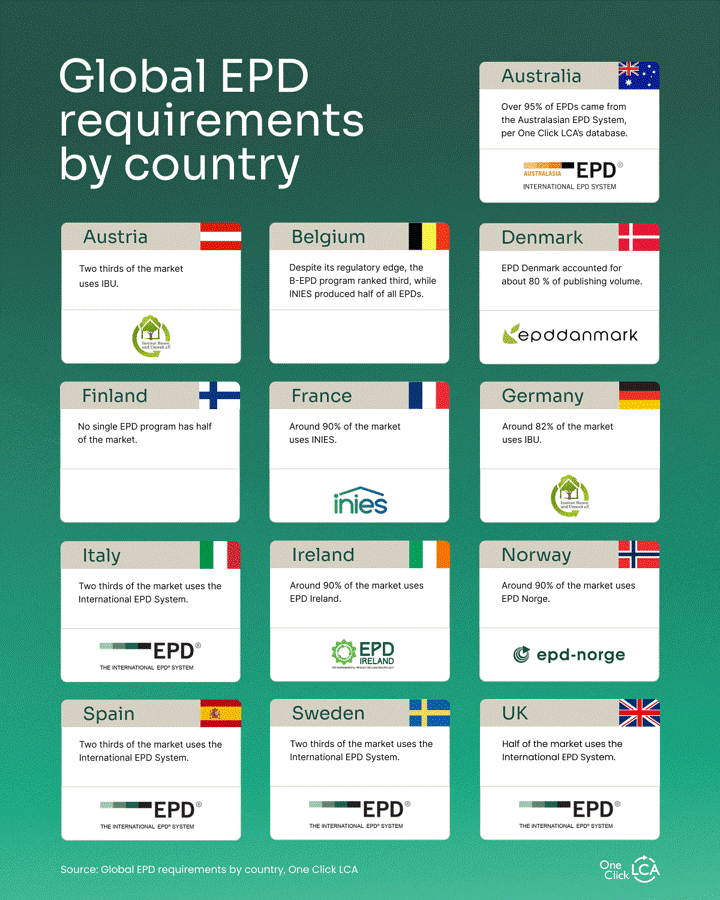
The level of recognition of an EPD Programme typically depends on several key factors. Green building certification systems such as LEED and BREEAM maintain their own approved lists of EPD programmes. In addition, requirements from clients or project owners may restrict acceptance to EPD issued by specific Programme Operators. Although many programmes are developed under ISO 14025, in practice not all carry the same level of market recognition. Geographic market factors also play an important role — for example, the German market tends to prefer EPD from IBU, North America commonly uses UL, while EPD International is widely recognized globally
Đọc thêm: Chứng nhận LEED Là Gì? Lợi Ích & Quy Trình Xin Chứng Nhận Xanh Cho Công Trình Của Bạn
1.2 Manufacturer
An EPD is always published under the name of the manufacturer or industry association, even when the LCA process and documentation are carried out by a consulting firm. The manufacturer bears responsibility for the accuracy of the data.
1.3 PCR – Product Category Rules
Product Category Rules (PCR) are the rules and guidelines used to conduct a Life Cycle Assessment (LCA) and develop an Environmental Product Declaration (EPD) for a specific product category.
PCR ensures that products within the same category are evaluated using the same methodology, producing results that are consistent, transparent, and comparable across different EPDs.
1.4 Standards for LCA and EPD Implementation
The LCA is a Life Cycle Assessment report conducted in accordance with ISO 14040/14044 standards. The EPD is an Environmental Product Declaration prepared according to ISO 14025 and EN 15804 — widely used in the European construction sector — or ISO 21930, which is common in the United States and Canada.
Companies therefore need to select the standard that aligns with their target export market or primary consumption market.
1.5 Cost of LCA and EPD Implementation
The average cost of conducting an LCA and EPD is typically broken down into three components: the fee for conducting the LCA and preparing the EPD, the third-party verification fee, and the EPD registration and publication fee.

2. Development Trends of EPD in the Construction Sector
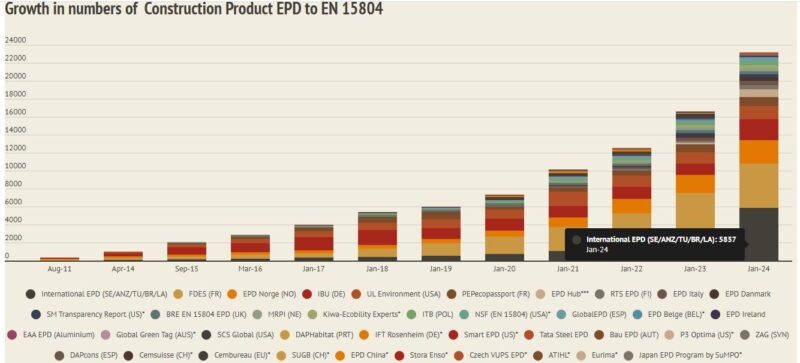
Against a backdrop of growing sustainability requirements, Environmental Product Declaration (EPD) is gradually becoming a key requirement in the global construction materials market. Many countries have been enacting carbon emission reduction policies in the construction sector, in which environmental data from EPDs serves as a transparent basis for assessing and comparing the environmental impact of products.
In addition, new initiatives such as the Digital Product Passport are being rolled out, requiring companies to provide lifecycle data in a complete and transparent manner. Beyond the legal dimension, EPDs also play an important role in globally recognized green building certification systems such as LEED, BREEAM, and DGNB, where EPD data is used to assess the sustainability performance of materials and buildings. As a result, having an EPD not only helps companies meet legal and technical requirements but also becomes a significant competitive advantage, enabling construction products to more easily access green projects and international markets.
Đọc thêm: Malaysia Yêu Cầu Sản Phẩm Thép Có Chứng Nhận EPD Từ 1/10/2025 – Doanh Nghiệp Việt Cần Chuẩn Bị Gì?
For inquiries, please contact CIC Technology and Consultancy Joint Stock Company — 0332.26.8626 — for consultation on LCA (Life Cycle Assessment) and EPD (Environmental Product Declaration) services.